
Food & Health

Winter Season Special: Amaranth in Daily Cooking & Beyond!

Amaranth is a highly nutritious leafy vegetable and grain as well which has been consumed by mankind for centuries all over the world. It is a gluten-free, ancient grain which has been compared with rice due to its various qualities and offerings in the culinary world. The green leaf varieties are very popular in India,

Winter Season Special: Amaranth in Daily Cooking & Beyond! Read More »
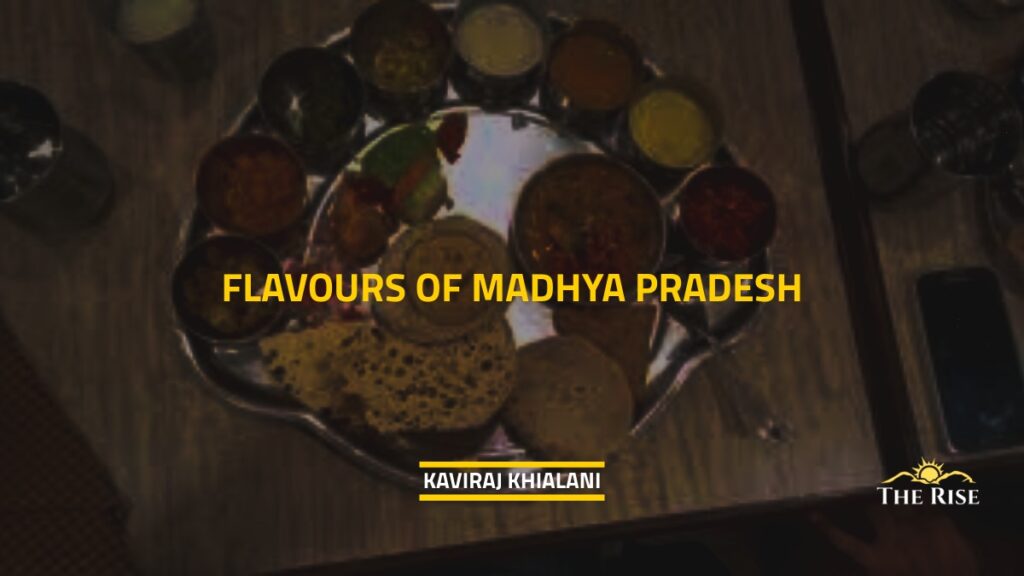
CABBAGE ON A VOYAGE

It is said that the first round-headed cabbages appeared in 14th-century England, and they became more and more popular as a cuisine throughout Europe. The first cabbage in America was brought by a French explorer, Jacques Cartier, on his third voyage, 1541 – 1542. Today, China is the largest producer of cabbage, followed by India and Russia, which is the biggest consumer of cabbage. Cabbage is low

CABBAGE ON A VOYAGE Read More »

Dementia Prevention in India: Why Even Light Exercise Matters

Until now, most studies have broadly linked dementia prevention to factors such as regulating cholesterol levels, maintaining healthy blood pressure and blood sugar, and staying physically active, but they lacked precise guidance on the type and minimum duration of exercise required to achieve protective benefits. A small amount of physical activity can lower the risk

Dementia Prevention in India: Why Even Light Exercise Matters Read More »
Agronomic Approaches to Improve Nitrogen Use Efficiency in Cereals

The productivity of cereals such as rice, wheat, maize, sorghum, millets, barley, etc., is heavily influenced by nitrogen. Yet factors such as low plant population, excessive fertiliser application, and poor methods and timing of fertiliser use have led to nitrogen (N) losses of up to 70%, contributing to reduced cereal yields. Agriculture, one of the

Agronomic Approaches to Improve Nitrogen Use Efficiency in Cereals Read More »

Why Bihar’s Hospitals Remain Half-Built Promises

Across primary and secondary facilities, over 61% and 56% sanctioned posts were vacant. Tertiary and AYUSH facilities also suffer from alarmingly high vacancy rates, resulting in an overall personnel shortage of 60%. Such gaps are not just theoretical; they translate into overworked staff, unattended beds, and poor-quality healthcare. Prime Minister Narendra Modi’s inauguration of the

Why Bihar’s Hospitals Remain Half-Built Promises Read More »

Scroll to Top