Hamra Bihar

Bihar's Wetland-Centric development

From Water to Wealth: Bihar’s Wetland-Centric Development

Wetlands hold immense potential both in economic and ecological sense, but fragmented governance across departments and a lack of scientific monitoring create major challenges for the development of a wetland-centric economy. Without solving the governance issue, no wetland economy can take off.   Bihar has one of India’s richest networks of wetlands- oxbow lakes, floodplain […]

From Water to Wealth: Bihar’s Wetland-Centric Development Read More »
The Makhana Paradox: Bihar Grows It, Others Gain

Bihar still lacks a modern food-processing ecosystem; raw makhana is often sold to traders in states like West Bengal, Delhi, and Maharashtra, where private companies manage the stages of cleaning, roasting, flavouring, and packaging. These states then market the final product under premium brands, reaping profits that should have ideally strengthened Bihar’s local economy. Did

The Makhana Paradox: Bihar Grows It, Others Gain Read More »

Threads of Nepura: Reviving Bihar’s Handloom Heritage

Their struggle is not with creativity, but with access. They can weave magic with their hands, but they lack a platform — a place to reach customers directly. Most of their earnings are eaten up by middlemen and wholesalers who buy at low prices and sell at high margins elsewhere. The handloom industry is one

Threads of Nepura: Reviving Bihar’s Handloom Heritage Read More »

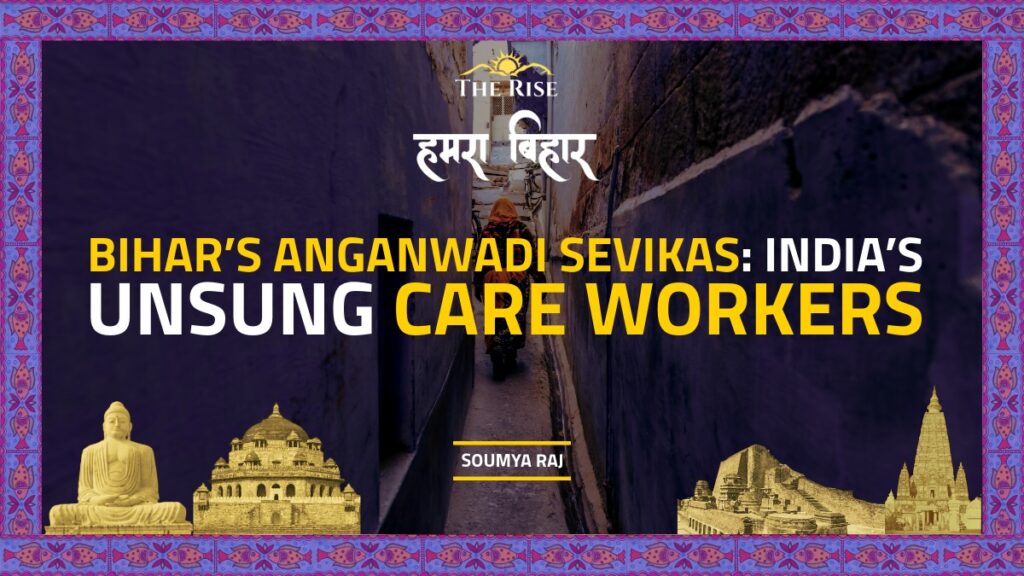
Bihar’s Anganwadi Sevikas: India’s Unsung Care Workers

The Anganwadi Sevikas (AWWs) in Bihar, numbering over 1.12 lakh, are the frontline functionaries of the Saksham Anganwadi and Poshan 2.0 scheme, the Government of India’s flagship programme for early childhood care and nutrition. Yet, despite their vital role, these Anganwadi Sevikas are not recognised as government employees and are left without any access to job

Bihar’s Anganwadi Sevikas: India’s Unsung Care Workers Read More »

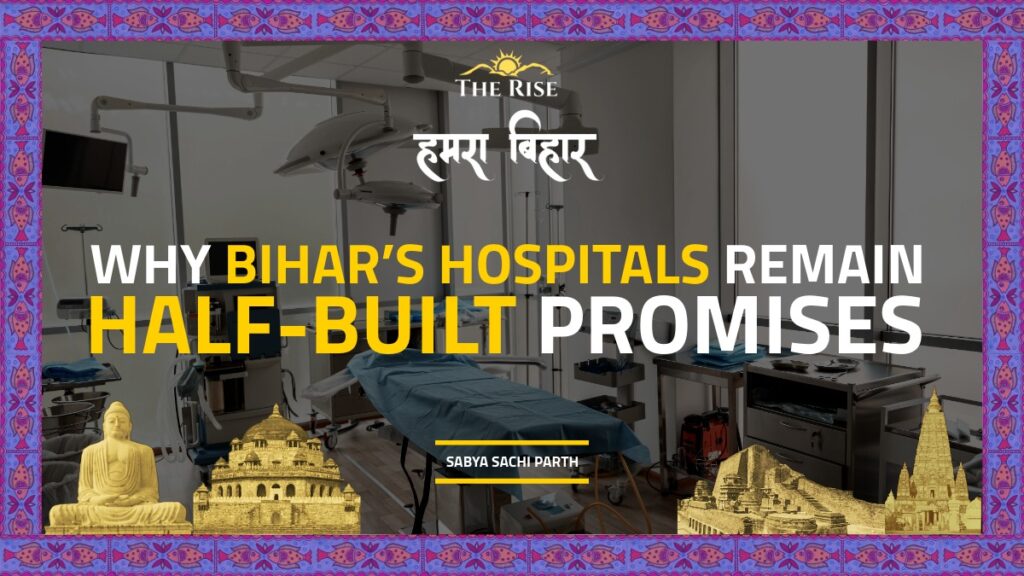
Why Bihar’s Hospitals Remain Half-Built Promises

Across primary and secondary facilities, over 61% and 56% sanctioned posts were vacant. Tertiary and AYUSH facilities also suffer from alarmingly high vacancy rates, resulting in an overall personnel shortage of 60%. Such gaps are not just theoretical; they translate into overworked staff, unattended beds, and poor-quality healthcare. Prime Minister Narendra Modi’s inauguration of the

Why Bihar’s Hospitals Remain Half-Built Promises Read More »

Scroll to Top