Major threats to migratory waterbirds in the region are loss and degradation of wetlands, exposure to pollutants and pesticides, invasive species, hunting and disease. With the rapid rate of development in the South Asian region over the last decades, wetlands are under increasing threat from a wide range of large- and small-scale changes in landscapes, including shifts in the traditional agricultural and forestry practices.
Wetlands are ecologically valuable due to their high biological diversity and productivity, with globally threatened avian species depending on them. However, these biotopes are naturally patchy within the terrestrial landscape, an effect that is being exacerbated by habitat fragmentation and loss due to human action.
Wetlands provide major ecosystem services, including feeding and breeding habitats for a large number of threatened birds, mammals, reptiles, amphibians and fish and also play a vital role in the conservation of those species. Freshwater wetlands support more than 40% bird species in the entire world and 12% of all animal species. Wetlands of Asia support at least 20% of the world’s threatened bird species, including a large number of migratory and resident bird species.
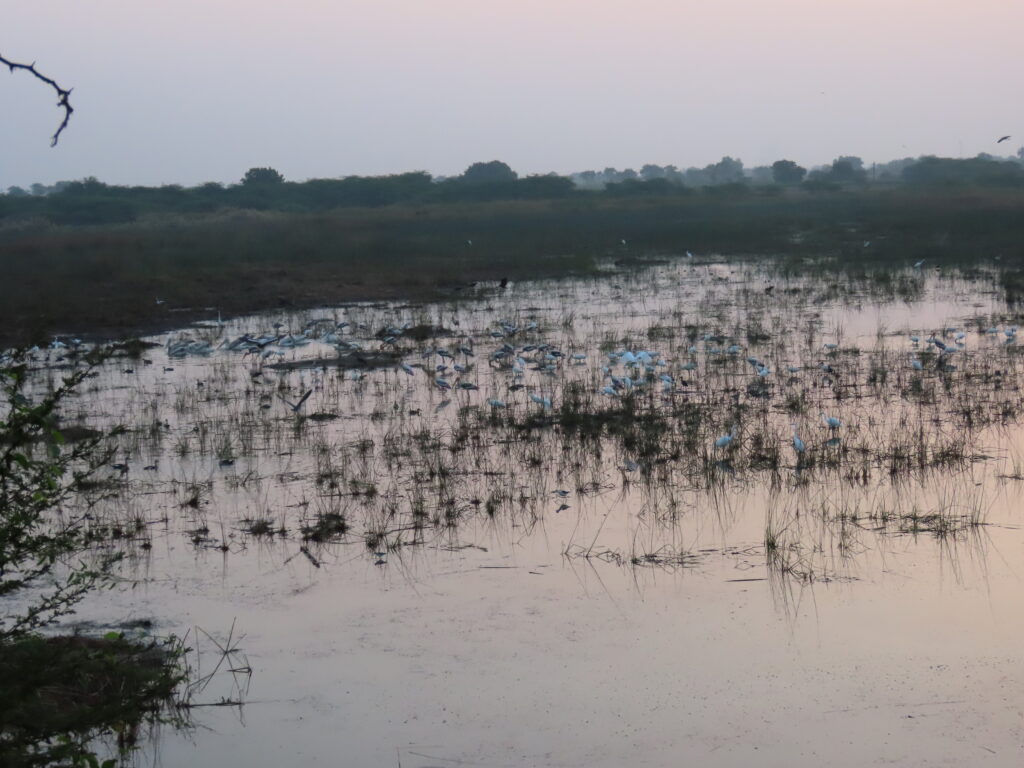
Birds are the most prominent and significant components of freshwater wetland ecosystems, and their presence or absence may indicate the ecological conditions or health of the wetlands. In addition, wetlands are highly productive ecosystems and provide many crucial services. Most waterbird species depend on wetlands throughout their life cycles. The Central Asian Flyway covers a large continental area of Eurasia bounded by the Arctic and Indian Oceans, connecting breeding grounds in Siberia and temperate Eurasia with nonbreeding grounds in West and South Asia. Species that breed in wetlands in the Arctic and northern latitudes of Central Asia migrate along different routes, stopping to rest and refuel in wetlands, grasslands and sometimes in deserts on the way to their nonbreeding grounds, where they spend the northern winter. Over 180 species of waterbirds use the Central Asian Flyway, among which are pelicans, ducks, geese, swans, cranes, waders (also called shorebirds), herons, storks and cormorants.
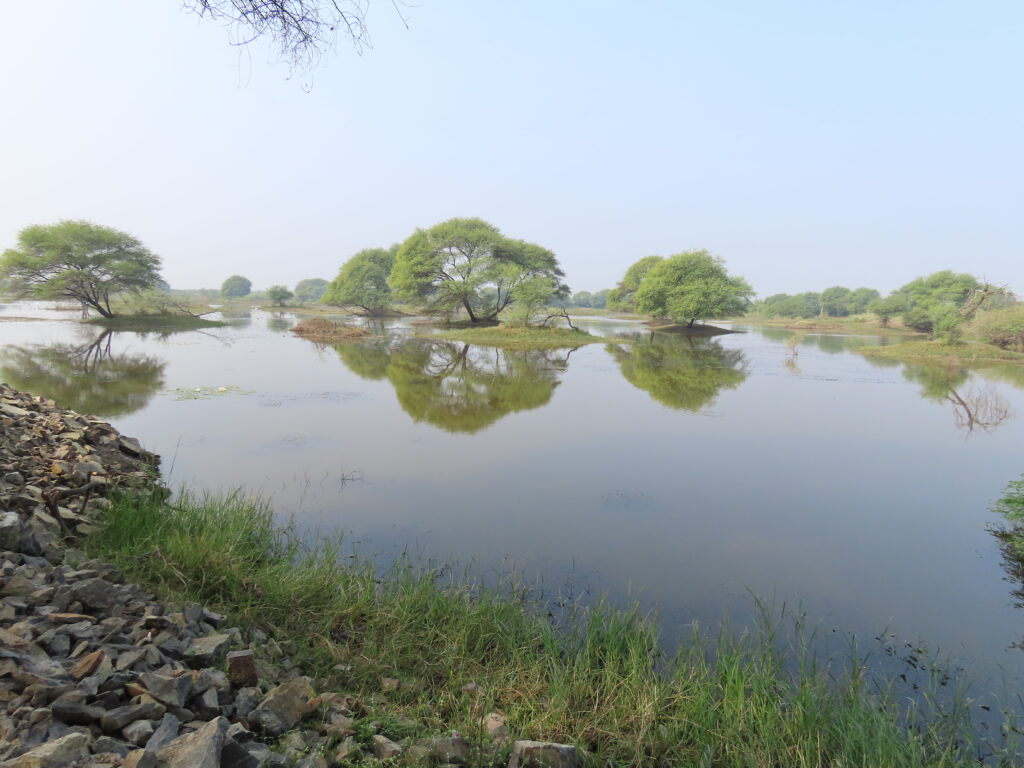
Due to past and ongoing destruction and degradation of coastal and inland wetlands, many of these species are now threatened with extinction. Strict habitat protection, adaptive management of both protected and unprotected areas (including managing water for wildlife) and, when necessary, restorations of wetlands are essential to maintaining functional wetland ecosystems and combating declines of wetland-dependent bird species. Most importantly, monitoring is crucial for guiding effective management and conservation.
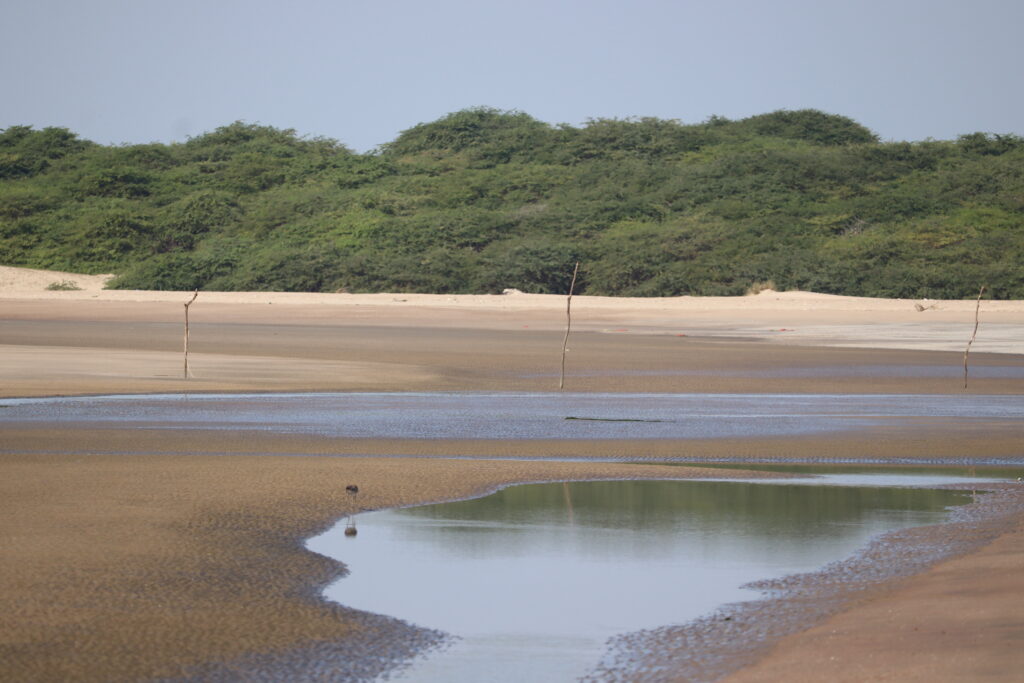
The Rann of Kachchh (Kutch) is a landscape of paradoxes – a white, salt-encrusted desert that becomes, with the monsoon’s first generous hand, one of South Asia’s most dynamic wetland systems. Across its mosaic of mudflats, seasonal marshes, saline pans and soggy “bets” (islands of halophytic scrub), life keeps time with the rhythm of water and salt. In the dry months, it is a stark, shimmering plane; in the wet months, it is a chorus of wings, croaks and the shimmering reflections of flamingo flocks.
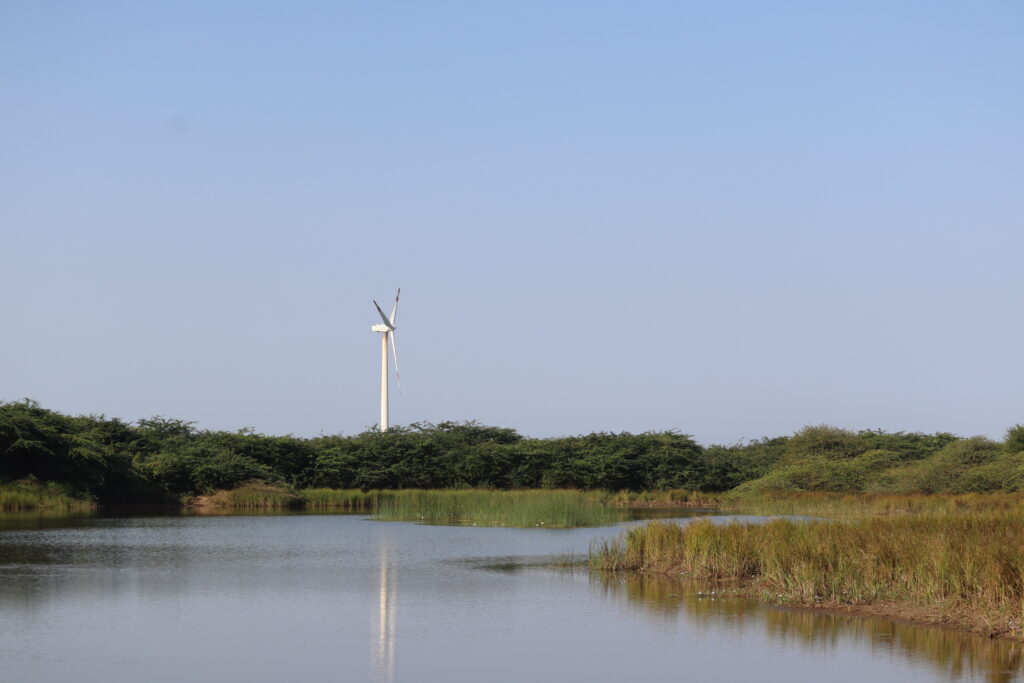
This essay explores the ecology, biogeography, ecosystem services, human relationships, and conservation challenges of Kachchh’s wetlands, with a scientific but storytelling bent that aims to hold both the facts and the fascination. “Kachchh” is not a single wetland but a hydrological and geomorphological tapestry. The Rann of Kachchh, separated into the Great Rann and the Little Rann, is a vast salt-marsh complex that was once part of the Arabian Sea. Tectonic uplift and sedimentation closed old marine channels and left behind extensive saline flats that seasonally flood during the Indian summer monsoon and receive tidal influence in parts. The Little Rann, in particular, is recognised as a biological hotspot within this expanse: a saline mudflat system that metamorphoses into a shallow-water wetland each year and supports distinctive halophytic vegetation, macroinvertebrate blooms, and migratory and breeding waterbirds. Hydrology is everything here. Surface water inputs are episodic monsoon-fed streams, flash floods and occasional tidal incursions, making the wetlands largely seasonal and ephemeral. Yet these ephemeral floods are ecologically potent: they create shallow, warm water bodies that support explosive growths of algae and zooplankton, which in turn attract waves of migratory waders and waterfowl. The timing, duration and spatial extent of flooding determine whether the Rann is a shoreline, a marsh, a briny pond, or a brittle salt desert.
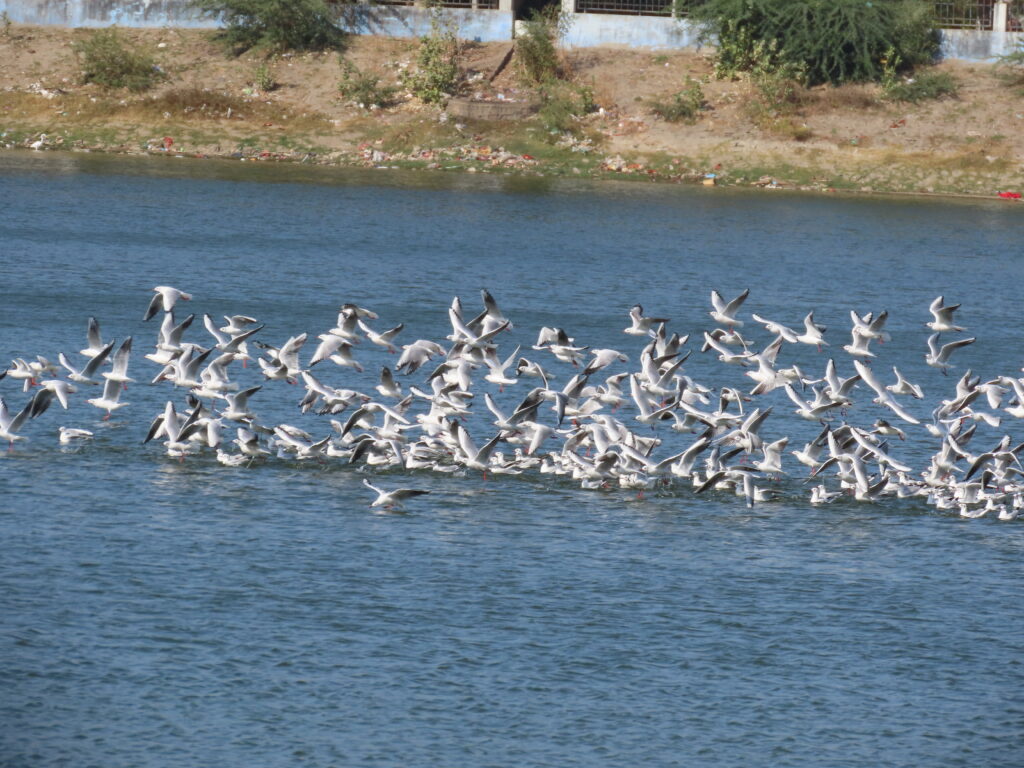
Migratory animals connect distant countries as they cover immense distances through their annual movements. This mobility makes their conservation particularly challenging, especially when the same individuals have to cope with various pressures at breeding, stopover (or staging) and nonbreeding sites. Members of the orders Anseriformes (ducks, geese and swans), Pelecaniformes (pelicans, herons, egrets, ibises and spoonbills), Gruiformes (cranes and rails), Charadriiformes (waders, gulls and terns), Ciconiiformes (storks) and Suliformes (cormorants and darters) migrate between wetlands in the northern breeding areas and southern nonbreeding areas and in doing so regularly cross the borders of two or more countries. The routes that these birds take are known as flyways, which are defined as “the entire range of a migratory bird species (or groups of related species or distinct populations of a single species), through which it moves on an annual basis from the breeding grounds to non-breeding areas, including intermediate resting and feeding places, as well as the area within which the birds migrate”. In the subtropical and tropical regions, where the cold season may not be very pronounced, herons, storks, ibises and other waterbirds may move locally, within or across national boundaries, largely in response to the availability of water. Complex migratory systems lead to a complex conservation problem, and as species have different ecological needs and varying patterns, a species-specific network of protected and properly managed sites is necessary to support all stages (breeding, stopover and nonbreeding) of their migration cycle. Thus, all long-distance, short-distance and nomadic species depend on a large network of wetlands throughout their range to complete their annual cycle. A recent publication, on waterbirds of India, provides a valuable synthesis of the state of knowledge and ecology of the wetlands and a variety of waterbirds for their conservation needs in the face of developmental activities that take place in the Kachchh areas.
Major threats to migratory waterbirds in the CAF are loss and degradation of wetlands, exposure to pollutants and pesticides, invasive species, hunting and disease. With the rapid rate of development in the South Asian region over the last decades, wetlands are under increasing threat from a wide range of large- and small-scale changes in landscapes, including shifts in the traditional agricultural and forestry practices. By converting and degrading wetlands, humans have rendered previously suitable habitats unsuitable for many organisms, including migratory waterbirds. Loss and degradation of wetlands are primarily caused by human activities, including wetland reclamation, agriculture, pollution, land development, transportation corridors, and energy production (Sutherland et al., 2012). In some countries, an agricultural policy is still in place that encourages wetland drainage and the expansion of row-crop agriculture into grasslands.
A comprehensive study is needed to establish a monitoring program for the wetlands and their waterbirds and their habitats, in collaboration with the Gujarat State Forest Department. Information on the numerical distribution of wetlands (seasonal and perennial) and their waterbirds on the Gulf of Kachchh coast will help us develop an understanding of habitat requirements and population status of the waterbirds with special reference to the Gulf of Kachchh coast. It will also identify major threats potentially affecting the wetlands’ waterbird assemblage and population, as well as those affecting the quality and quantity of the habitat.
Based on the findings, effective awareness programmes can be developed for the conservation of Kachchh wetlands and their waterbird congregation sites. This will further facilitate the exchange of information between international and interested local bodies. The study will develop a systematically planned participatory conservation program that involves all relevant stakeholders. This approach will shift the present largely ad hoc approach to a more effective and planned approach, with greater conservation impact and participation. Further, provides value in initiating and developing conservation education and advocacy to improve the status of wetlands and waterbirds conservation with particular reference to the Gulf of Kachchh in Gujarat.
Vegetation and the halophyte specialists
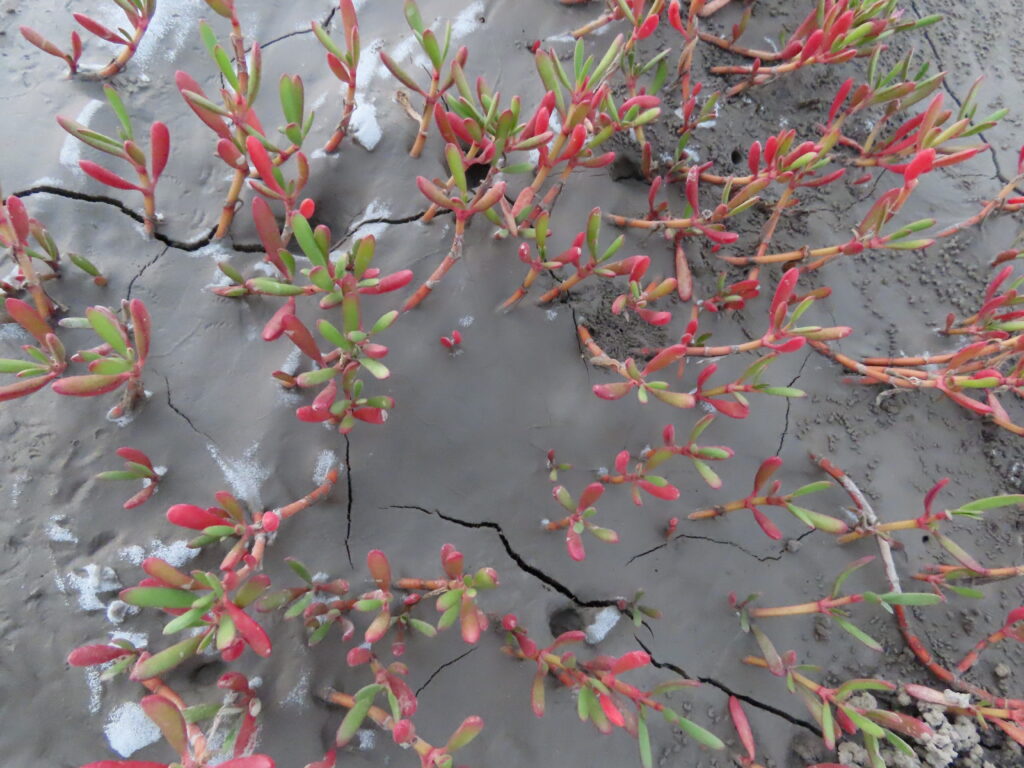
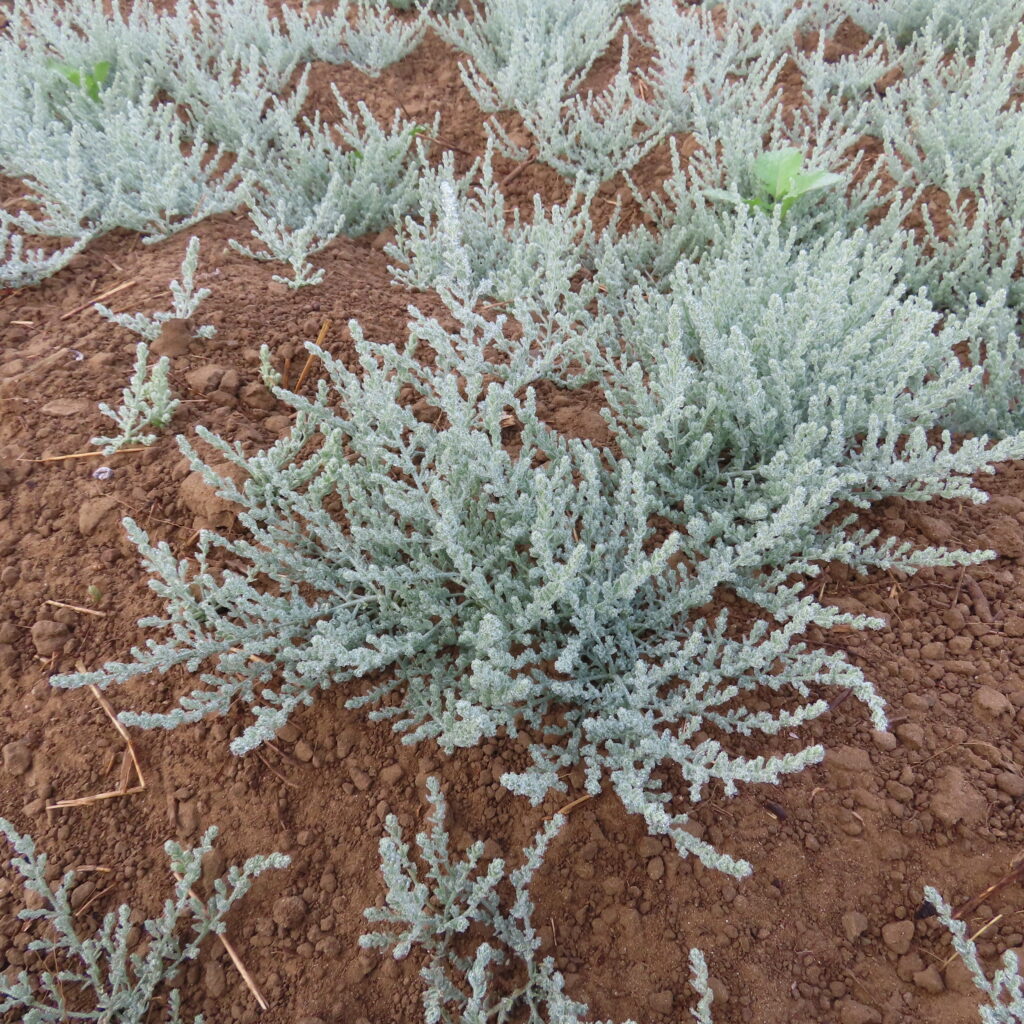
The Rann’s plant assemblage is a testament to evolution in saline stress. Where water remains, sedges (Cyperus, Scirpus) and short emergent macrophytes colonise shallow pools. On the best and fringe zones, halophytic shrubs and succulent salt-adapted herbs dominate: Suaeda spp., Cressa cretica, Aeluropus lagopoides, Tamarix, and salt-tolerant grasses and succulents form sparse but resilient stands. These plants stabilise microtopography, create nesting substrates and provide foraging microhabitats for invertebrates and small vertebrates.
The vegetation gradient from bare saline flats through mat-forming halophytes to thorn scrub on higher ground creates a patchwork of niches that increases the region’s local biodiversity beyond what a “desert” label would suggest, which ranges in fauna from khur to pink clouds of flamingos.
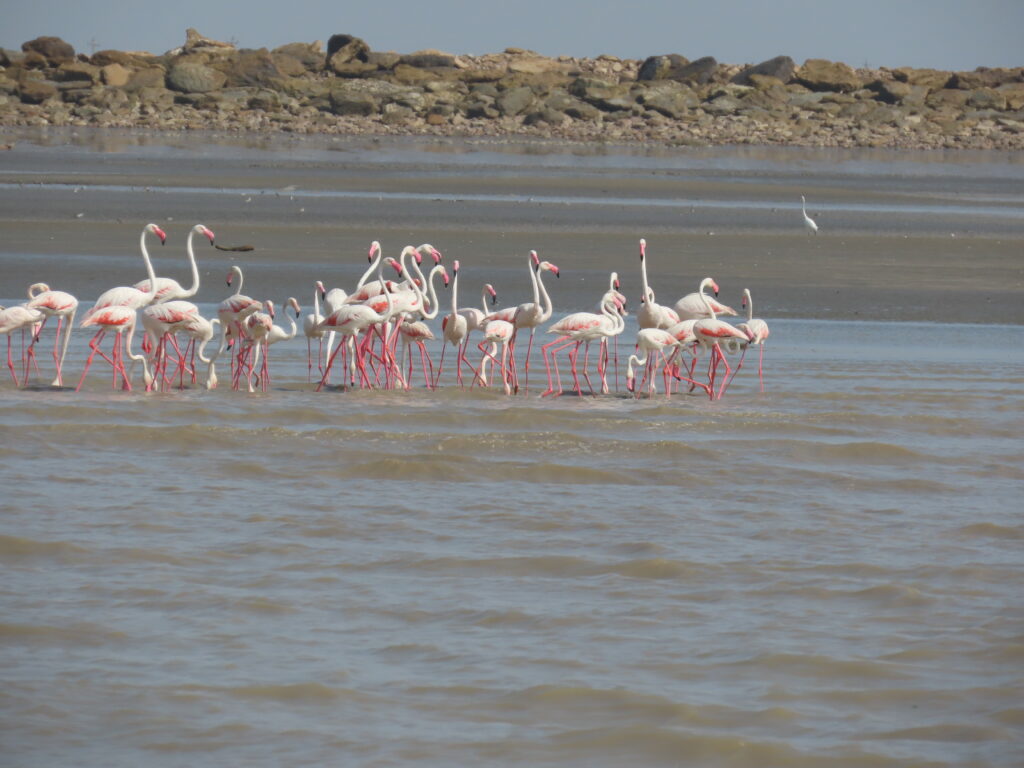
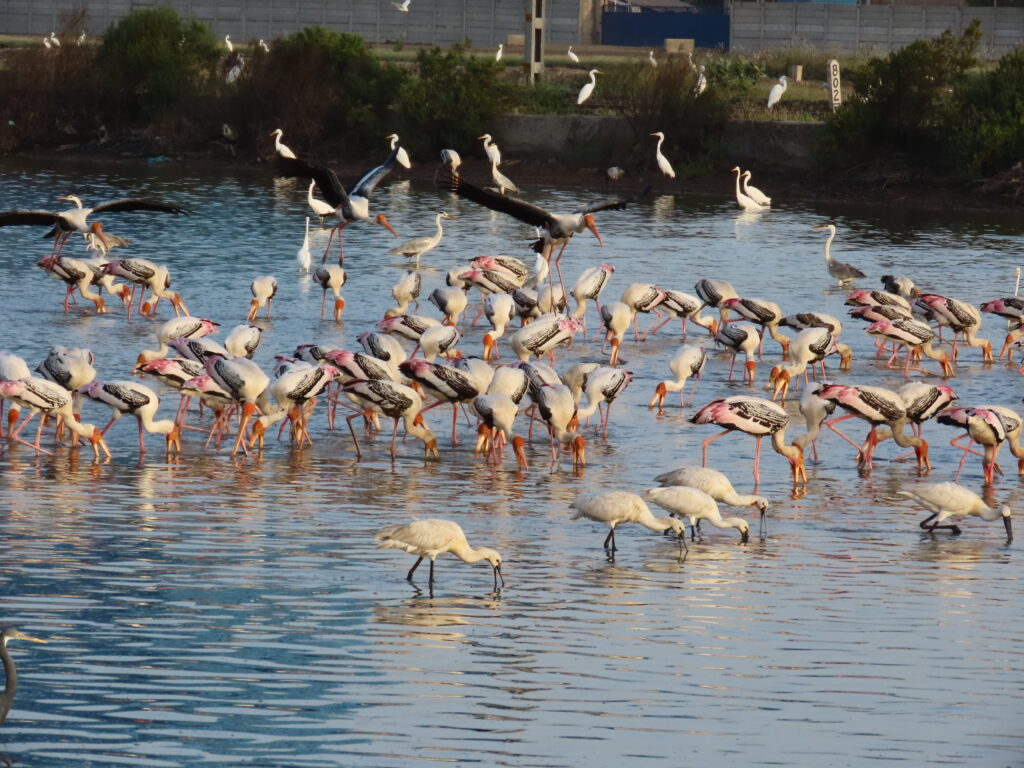
The Little Rann hosts an astonishing suite of fauna adapted to its unique conditions. The Indian wild ass (Equus hemionus khur), or khur, retains one of its last strongholds here; the species ranges across saline flats and peripheral grasslands and is a flagship for salt-desert conservation. But it is the avian spectacles that capture imaginations: each post-monsoon season, tens to hundreds of thousands of migratory and resident waterbirds converge on Kachchh. Greater and lesser flamingos, pelicans, various waders, ducks and raptors use the shallow water bodies for feeding, staging, and in some years nesting. The Rann supports internationally significant numbers of some species and regularly hosts large congregations that are important at the flyway scale. Ecologically, flamingos are keystone connectors in these shallow lagoons: their filter-feeding concentrates nutrients, stirs sediments, and their nesting mounds (built of mud) alter microtopography in ways that affect other breeding waterbirds. The seasonal pulse of invertebrates and microalgae that follows flooding fuels the trophic cascade supporting these bird hordes.
Ecosystem services in a saline theatre
Wetlands of drylands paradoxically deliver a suite of critical ecosystem services for both nature and people:
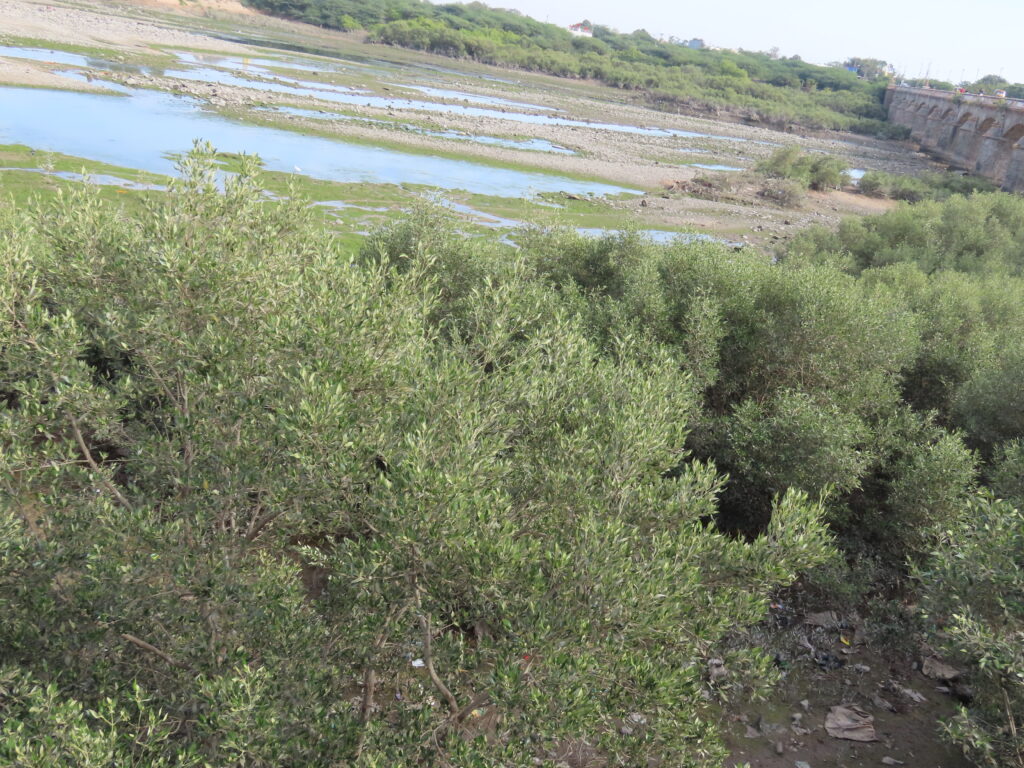
- Provisioning services: Traditional salt pans and small-scale fisheries in flood years provide livelihoods (salt, fish and brine shrimp). Halophyte grazing and fodder sometimes supplement pastoral systems.
- Regulating services: Seasonal inundation recharges shallow aquifers in peripheral areas, mediates local microclimate, and provides natural sinks for some sediments and pollutants (although the latter is limited by the system’s salinity and hydrological dynamics).
- Supporting services: The wetland pulses sustain primary productivity (microalgae, plankton) that underpins food webs used by migratory waterbirds, resident breeders and invertebrates’ services essential for regional biodiversity and for the cultural identity of communities who mark seasons by the arrival of birds.
- Cultural services: Ecotourism, birdwatching, and the cultural symbolism of the Rann (including festivals, art and local lore) create intangible value as well as tangible income. The Economics of Ecosystems and Biodiversity (TEEB) work in Kachchh has highlighted this multi-dimensional value and argued that the landscape’s wetland functions underpin local livelihoods and broader regional resilience.
These services are not evenly distributed. The pastoralist communities of Banni grasslands, the Agariyas, who historically manage salt production, and small-scale fishers interact with and depend on different elements of the wetland system. Any change in hydrology, salt-work policy, or land tenure cascades through these livelihoods.
Threats: salt, industry, water extraction, and climate change
Kachchh’s wetlands are resilient but not invincible. Several interlinked threats now press on the system:
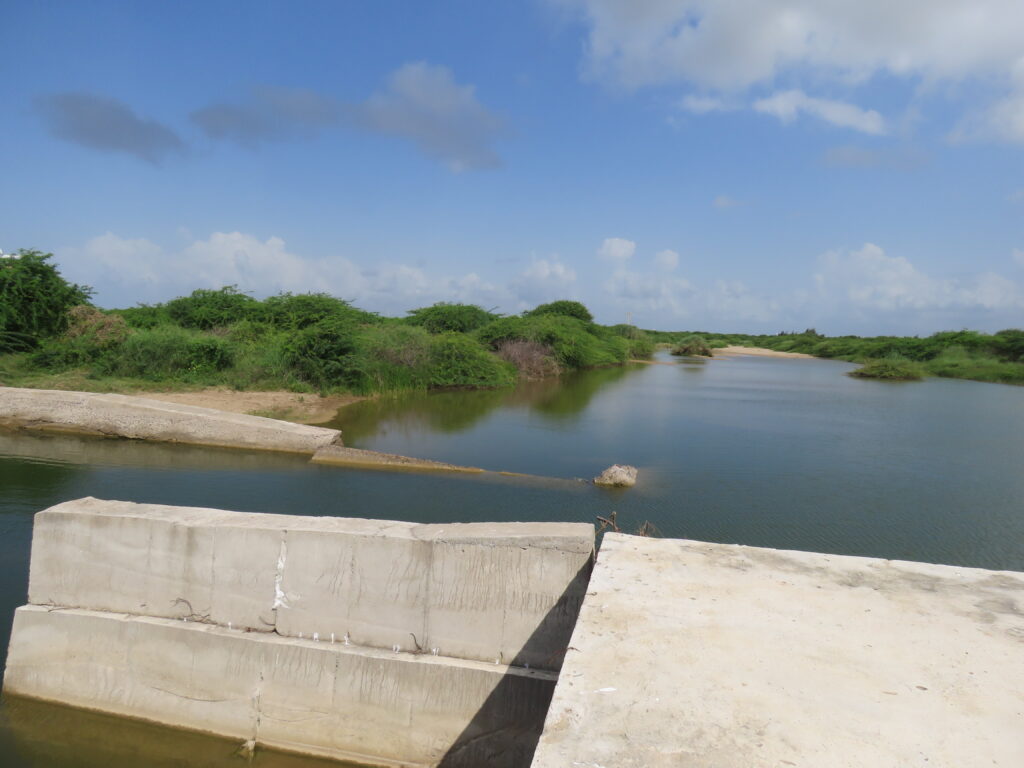
- Salt-panning expansion and infrastructure: Salt pans alter natural drainage patterns, fragment habitats and, in some places, raise salinity to levels that prevent recolonisation by native halophytes and invertebrates. Salt pan systems can also create artificial bunds that attract nesting flamingos to suboptimal sites, increasing vulnerability.
- Industrial and infrastructural development: Industrial effluent, road construction, and changes in land use around wetland margins increase disturbance, pollution risk and change mobility patterns of mammals and birds.
- Hydrological changes and water extraction: Upstream water diversions, groundwater extraction, and canal works modify the pulse of water that forms the core of the wetland’s ecological regime. Even small changes in flood timing or depth alter the breeding success of birds and the reproduction of macroinvertebrate prey.
- Climate change: Increased variability in monsoon intensity, rising temperatures, and sea-level dynamics pose systemic risks. A warming climate may shorten the hydroperiods (duration of inundation), shift the phenology of invertebrate blooms, and alter migratory schedules. Additionally, coastal sea-level changes and storm surges interact with local geomorphology in complex ways, sometimes increasing erosion or changing the salinity regime. Contemporary reporting and field studies have documented habitat loss for associated coastal systems (including mangroves used by Kharai camels) and intensified human–wildlife conflicts in the face of environmental change.
The effects of these threats are not always immediate or linear. For example, a single disrupted monsoon year can reduce breeding success for multiple species simultaneously; cumulative habitat fragmentation reduces the capacity of populations to recover.
Conservation and management: ideas that respect flow and fluctuation
Management of Kachchh’s wetlands must embrace their ephemeral nature. Static conservation zones that ignore flood dynamics are prone to failure; instead, adaptive, landscape-scale strategies are more promising.
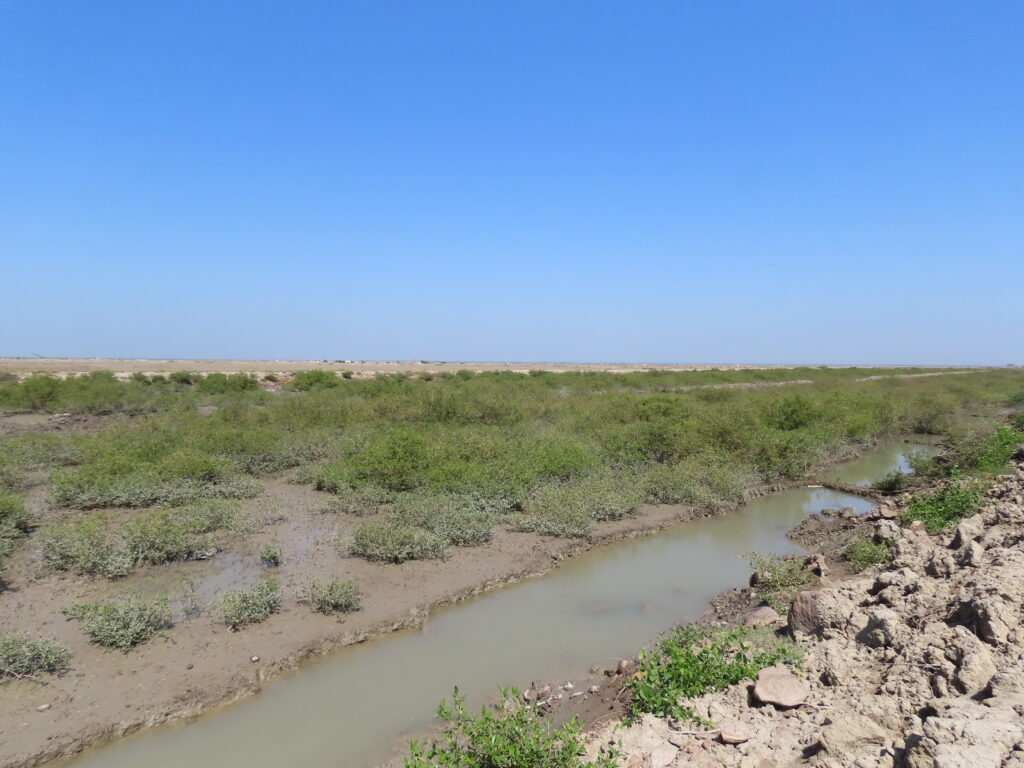
- Protect hydrological regimes: Maintaining the timing, duration and spatial pattern of seasonal flooding is central. This implies careful review of upstream water projects, groundwater extraction policies, and infrastructure planning that fragments drainage.
- Zoning with local governance: Integrating community-managed zones (where salt panning and pastoral grazing continue under regulated practices) with strict conservation cores can support both biodiversity and livelihoods. The Little Rann’s Wild Ass Sanctuary shows how protected areas can coexist with human economic use when governance is sensitive to local social-ecological realities.
- Supporting traditional livelihoods with ecological safeguards: The Agariyas’ salt-panning knowledge and the Banni pastoralists’ grazing practices are cultural assets. Incentivising low-impact salt extraction, promoting ecotourism with benefit-sharing, and strengthening locally governed grazing calendars can reduce conflict and maintain ecosystem services.
- Monitoring and early-warning systems: Simple hydrological and bird-monitoring networks (which local NGOs and citizen scientists can help run) provide early warning of shifts in hydroperiod or population declines. Recent large-scale bird surveys in Kutch have demonstrated the power of coordinated monitoring to refine conservation priorities.
- Climate-smart conservation: Planning must anticipate shifts in inundation patterns and species’ phenology. Conservation corridors, maintaining habitat mosaics and protecting upstream catchments are practical levers.
Research frontiers and uncertainties for Conservation Studies
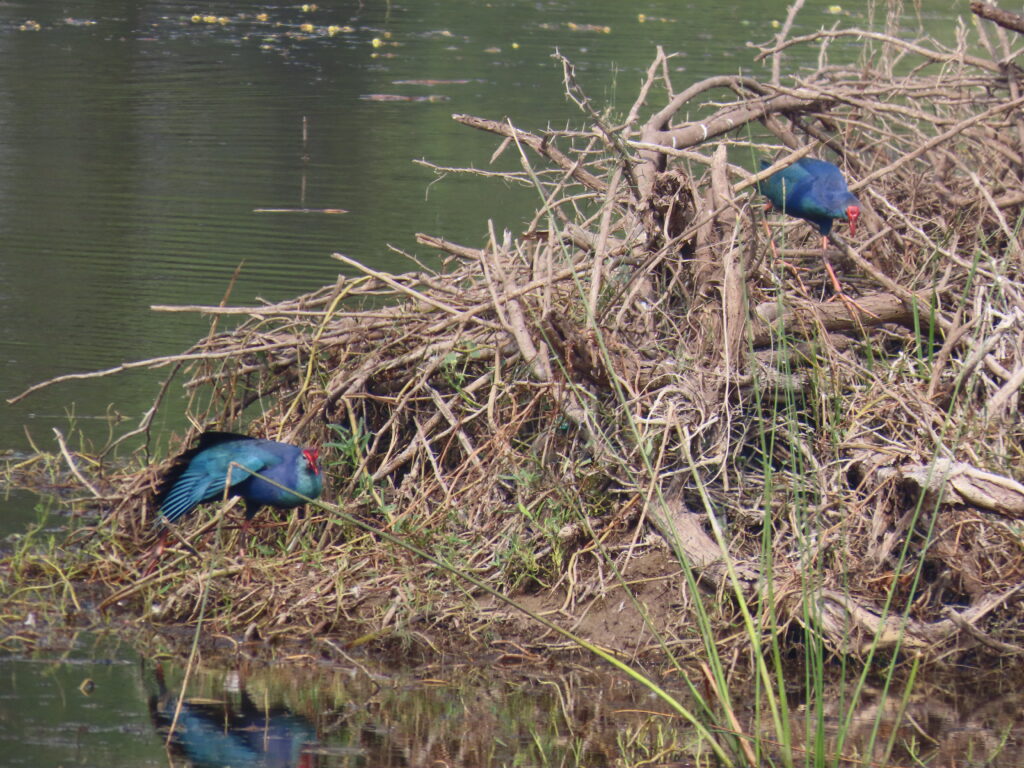
Kachchh’s wetlands pose rich research questions: How will altered monsoon regimes affect the timing of plankton blooms that fuel flamingo migration? What thresholds of salinity or inundation duration determine whether a bet supports nesting flamingos? Can managed salt-pan designs be optimised to mimic natural hydroperiods and thus support biodiversity while preserving livelihoods? Remote sensing combined with on-the-ground ecological sampling is increasingly revealing wetland dynamics at landscape scales, but ground truthing, long-term bird demographic data, and socio-ecological studies remain critical.
A compelling unknown concerns the interplay of infrastructure (roads, salt bunds) with animal movement. For wide-ranging species like the wild ass and migratory herds of pastoralists, linear infrastructure can be a subtle but powerful agent of landscape disconnection.
Conservation measures that are aimed at waterbirds include conserving wetlands and associated habitats after identifying threats. In addition to protecting primary habitats that develop without human interference, the establishment of nature reserves is essential. Measures should include the elimination of disturbance, preparation of management plans, identification of priority areas for waterbird conservation, documentation of ongoing land-use changes, and analysis of how these changes relate to recent trends in waterbird distribution and numbers.
Awareness among the locals should be strengthened through conservation education. The findings of the study will be shared with the industries operating in the Gulf of Kachchh and interested local bodies to help develop and implement a site-specific action plan for the congregator waterbird species.
India is one of the major wintering countries for the waterbirds along the Central Asian Flyway; the results of the study will contribute to improved understanding of these species and associated conservation challenges. The study will provide the first comprehensive database on the assemblage, distribution and population of waterbirds in the Gulf of Kachchh and provide a basis for developing a comprehensive and technically sound conservation and management plan for wetlands and waterbirds in the Gulf of Kachchh in Gujarat, considering both short-term and long-term requirements of the wetlands and waterbirds and their habitats in India.
A closing thought: valuing the wetland in a dryland mind
Kachchh in Gujarat, India, harbours diverse types of wetlands. An inventory of dryland wetlands is a primary requirement for developing a comprehensive framework for the conservation policy/planning of these resources. Preparing such an inventory of wetlands is a challenging task as they include diverse systems spread over vast landscapes. Each wetland type (freshwater inland wetlands & coastal wetlands) is a complex system composed of water, vegetation, soil, mud, etc. Satellite remote sensing technology is of particular use in obtaining accurate and timely information on these ecosystems.
If we measure landscapes only by their year-round greenness, Kachchh’s wetlands can seem seasonal and fragile, a temporary flourish. But ecological value often lies in pulses and extremes. The Rann is valuable because it is a place of becoming: mud becomes marsh, dust becomes a feeding lake, the sky fills with wings for a brief, intense season.
Protecting such systems requires policy and imagination that honour fluctuation as an ecological principle rather than an inconvenient irregularity. It requires joining the monitoring of water with the listening to local knowledge, the mapping of salt pans with the mapping of bird flyways, and the economics of salt markets with the metrics of ecosystem services. When those threads are braided, the white Rann’s monsoon-green episodes can continue to be a theatre of life, a seasonal miracle on the edge of a desert.
Disclaimer: The views expressed in this article are those of the author solely. TheRise.co.in neither endorses nor is responsible for them. Reproducing this content without permission is prohibited.
About the author

Dr Vaithianathan Kannan is a Wildlife Biologist who has worked with Sathyamangalam Tiger Conservation Foundation Tamil Nadu Trust, Erode, Tamil Nadu, Bombay Natural History Society, Mumbai & AVC College, PG Research Department of Zoology & Wildlife Biology, Mannampandal, Tamil Nadu, and various other NGOs. He is a member of the IUCN/WI/SSC Pelican Specialist Group (Old World) and has a voluntary position within the Old World Pelican Specialist Group. His research interests are diverse largely related to Ecology, Biodiversity, Limnology, Mammalogy, Ornithology and Wetlands