Preserving Manasbal Lake is not simply about protecting a lake. It is about safeguarding biodiversity, supporting livelihoods, maintaining cultural identity, and securing a healthier environment for future generations.
In the heart of Kashmir’s picturesque landscape lies Manasbal Lake, a freshwater jewel that has long captivated visitors, supported local communities, and sustained diverse forms of life. Located in the Safapora village of Ganderbal district, about 30 kilometers north of Srinagar, Manasbal is widely recognized as the deepest freshwater lake in Kashmir and one of the most beautiful natural attractions in the Valley.
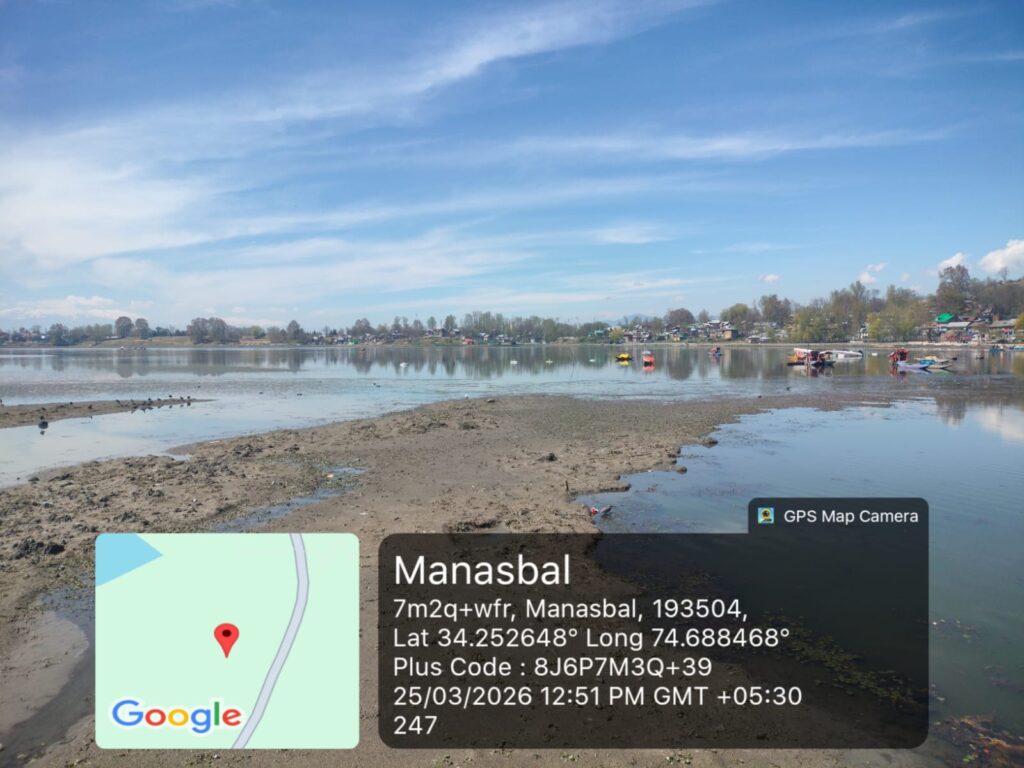
Known for its vast stretches of blooming lotus flowers, tranquil waters, and breathtaking surroundings, the lake is often referred to as the “Supreme Gem of Kashmir Lakes.” For generations, it has played a vital role in the ecological, cultural, and economic life of the region.
While its scenic beauty continues to attract tourists and nature lovers, Manasbal is far more than a tourist destination. It is a living ecosystem, a source of livelihood, and an important component of Kashmir’s environmental heritage.
As concerns about wetland degradation and environmental sustainability continue to grow worldwide, the story of Manasbal Lake serves as a reminder of the importance of conserving natural ecosystems for future generations.
A Lake of Exceptional Significance
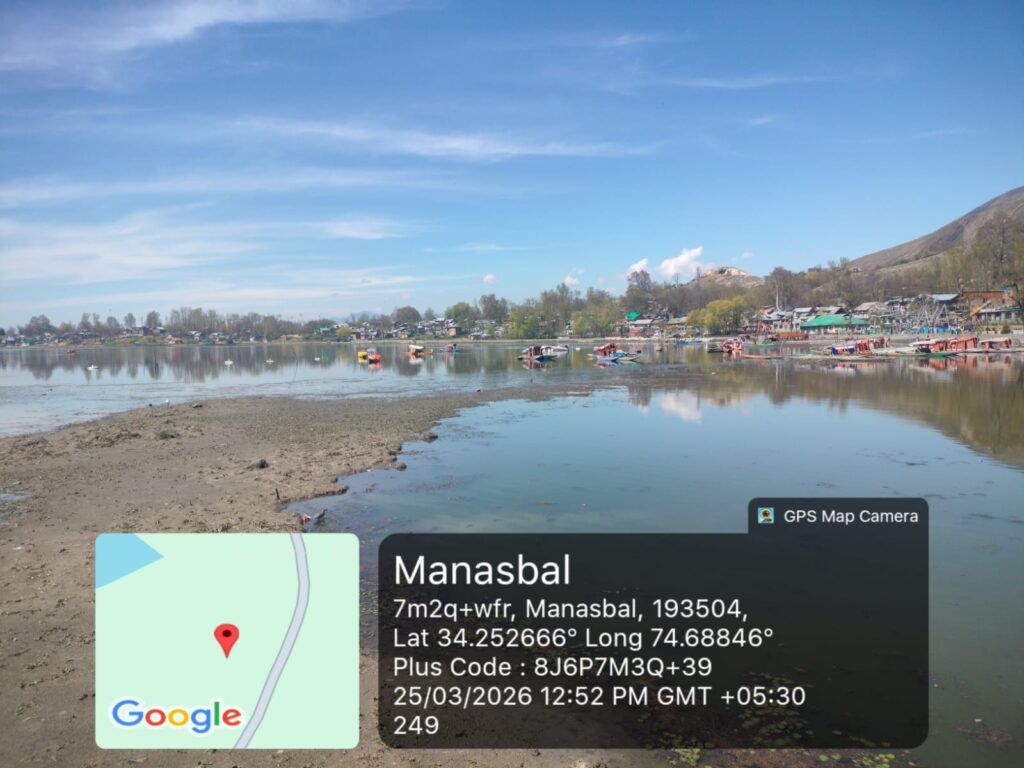
Manasbal Lake occupies a special place among Kashmir’s freshwater bodies. Covering approximately 2.8 square kilometers, the lake reaches a depth of around 13 meters, making it deeper than many other lakes in the Valley.
The lake is surrounded by the villages of Safapora, Jarokbal, Kondabal, and Gratbal, whose residents have maintained close connections with its waters for centuries. The landscape around the lake combines agricultural fields, orchards, wetlands, and low hills, creating a scenic environment that attracts visitors throughout the year.
One of the most remarkable features of Manasbal is its extensive lotus growth. During summer, large sections of the lake become covered with vibrant lotus flowers, transforming the water body into one of the most visually striking landscapes in Kashmir. The lotus is not only aesthetically important but also supports local livelihoods through the collection of lotus stems and seeds, which are widely used in Kashmiri cuisine.
The lake’s calm waters and natural beauty have made it a favored destination for photographers, birdwatchers, researchers, and tourists seeking a peaceful escape from urban life.
Supporting Local Livelihoods
For many families living around Manasbal Lake, the water body represents more than a natural attraction; it is an important source of income and sustenance.
Fishing remains one of the traditional occupations practiced by local communities. The lake provides fish resources that support household livelihoods and local markets.
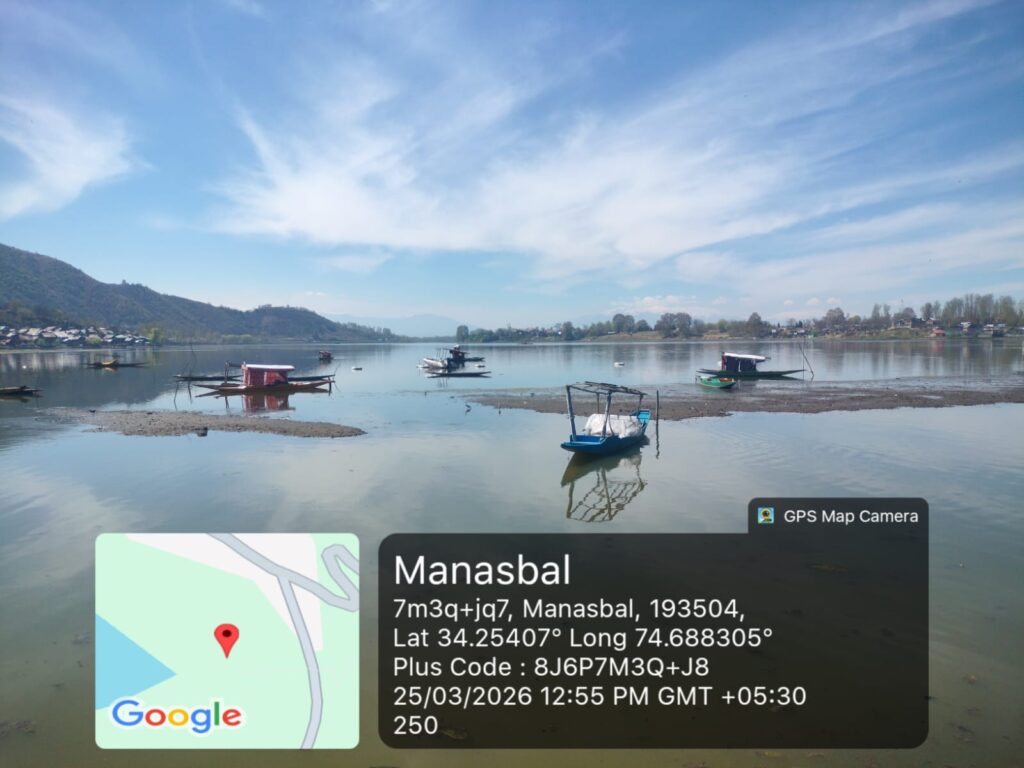
Another important economic activity is the harvesting of lotus stems, locally known as Nadru. This traditional food item is an integral part of Kashmiri cuisine and is highly valued throughout the region. Many households depend on lotus harvesting as a seasonal source of income.
Tourism has also emerged as an important economic contributor. Visitors are drawn to the lake’s natural beauty, birdlife, lotus gardens, and peaceful surroundings. Local businesses, transport providers, vendors, and tourism operators benefit directly and indirectly from visitor activities.
The lake, therefore, contributes to economic well-being while simultaneously providing environmental benefits to the surrounding region.
Cultural and Historical Importance
Manasbal Lake is deeply connected to Kashmir’s cultural heritage. Historical gardens and archaeological remains around the lake reflect the region’s rich past.
Among the notable attractions is Jaroka Bagh, a Mughal-era garden overlooking the lake. The site offers panoramic views of the surrounding landscape and serves as a reminder of Kashmir’s long-standing association with water gardens and natural beauty.
For generations, the lake has featured prominently in local traditions, folklore, and community life. Families have gathered along its shores, fishermen have navigated its waters, and visitors have admired its beauty throughout the changing seasons.
These cultural connections enhance the value of the lake and strengthen the need for its protection.
Environmental Challenges Facing the Lake
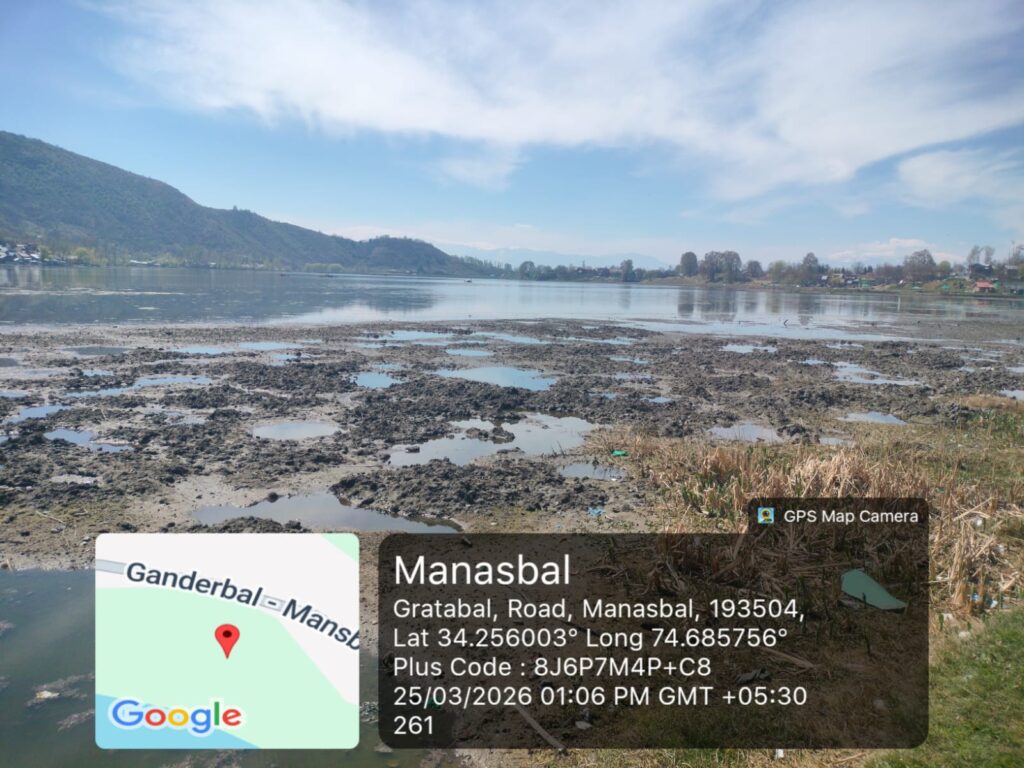
Despite its significance, Manasbal Lake faces several environmental pressures that require attention and responsible management.
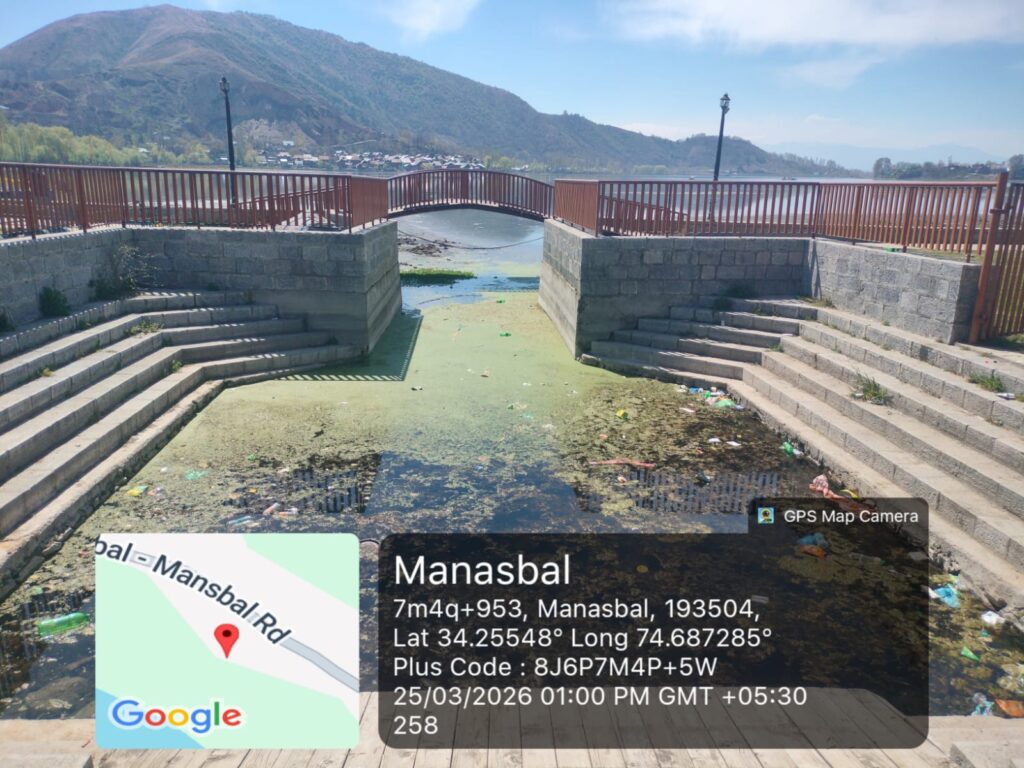
One challenge is the accumulation of waste in certain areas surrounding the lake. Improper disposal of plastic materials and other waste can affect the visual appeal of the landscape and place pressure on the aquatic environment.
Another concern is the excessive growth of aquatic vegetation in some parts of the lake. While aquatic plants are a natural component of wetland ecosystems, excessive growth can influence water circulation and affect the overall condition of the lake.
Sedimentation also presents challenges over time. Soil and other materials carried from surrounding areas gradually accumulate within the lake, altering its depth and influencing habitat conditions.
Increasing human activity around the lake has created additional pressure on natural resources. Expansion of settlements, tourism-related activities, and changing land-use patterns require careful planning to ensure that development remains compatible with environmental conservation.
These challenges are not unique to Manasbal. Wetlands across India and around the world face similar pressures. However, timely intervention and effective management can help address these concerns and secure the lake’s future.
Conservation Efforts and Positive Developments
In a region like Kashmir, where freshwater resources are closely linked to livelihoods and environmental stability, healthy wetlands play an especially important role.
Protecting Manasbal, therefore, contributes not only to local conservation efforts but also to broader environmental sustainability goals.
Encouragingly, various initiatives have been undertaken to improve the condition of Manasbal Lake and promote sustainable management.
Government agencies, environmental organizations, local communities, and academic institutions have shown increasing interest in wetland conservation. Efforts aimed at improving awareness, monitoring environmental conditions, and promoting responsible use of resources have contributed to conservation objectives.
The Wular-Manasbal Development Authority (WMDA) has played an important role in overseeing activities related to the management and protection of the lake.
Awareness campaigns have helped educate residents and visitors about the importance of maintaining clean surroundings and protecting natural habitats. Community participation in conservation activities has also grown over time.
Such initiatives demonstrate that conservation is most effective when multiple stakeholders work together toward a shared goal.
A Shared Responsibility
Protecting Manasbal Lake is not solely the responsibility of any single institution. Conservation requires cooperation among all stakeholders.
Government agencies can provide policy support and management frameworks. Educational institutions can contribute to research and awareness. Local communities can adopt sustainable practices and participate in conservation activities. Visitors can demonstrate environmental responsibility during their visits.
Even small actions such as reducing waste, participating in clean-up drives, and supporting conservation initiatives can collectively make a significant difference. Environmental stewardship begins with recognizing that natural resources are shared assets whose protection benefits everyone.
Looking Ahead
The future of Manasbal Lake remains full of promise. Despite existing challenges, the lake continues to support biodiversity, sustain livelihoods, and inspire admiration among visitors.
With continued conservation efforts, responsible resource management, and active community participation, Manasbal can remain a thriving freshwater ecosystem for generations to come.
The lake’s story is not one of decline but of opportunity, an opportunity to strengthen conservation, promote sustainable development, and demonstrate how people and nature can coexist harmoniously.
As awareness about environmental protection continues to grow, Manasbal has the potential to emerge as a model for wetland conservation in Jammu and Kashmir and beyond.
Conclusion
Manasbal Lake is one of Kashmir’s most valuable natural treasures. Its ecological richness, cultural importance, scenic beauty, and economic contributions make it an asset of immense significance.
The responsibility of protecting this freshwater ecosystem belongs to all of us. Through collective action, sustainable practices, and a shared commitment to conservation, we can ensure that Manasbal continues to flourish as a symbol of Kashmir’s natural heritage.
Preserving Manasbal is not simply about protecting a lake. It is about safeguarding biodiversity, supporting livelihoods, maintaining cultural identity, and securing a healthier environment for future generations.
The waters of Manasbal have reflected Kashmir’s beauty for centuries. With care, commitment, and cooperation, they will continue to do so for centuries to come.
Disclaimer: The views expressed in this article are those of the author solely. TheRise.co.in neither endorses nor is responsible for them. Reproducing this content without permission is prohibited.
About the author

Farhan Nazir is a passionate wildlife enthusiast and Zoology postgraduate from the Central University of Kashmir. He is deeply committed to the study and conservation of nature. With a growing interest in biodiversity protection and ecological research, Farhan strives to blend scientific knowledge with on-ground action to safeguard fragile ecosystems and aspires to build a meaningful career contributing to wildlife conservation and environmental sustainability.