Author name: Vaithianathan Kannan

Dr Vaithianathan Kannan is a Wildlife Biologist who has worked with Sathyamangalam Tiger Conservation Foundation Tamil Nadu Trust, Erode, Tamil Nadu, Bombay Natural History Society, Mumbai & AVC College, PG Research Department of Zoology & Wildlife Biology, Mannampandal, Tamil Nadu, and various other NGOs. He is a member of the IUCN/WI/SSC Pelican Specialist Group (Old World) and has a voluntary position within the Old World Pelican Specialist Group. His research interests are diverse largely related to Ecology, Biodiversity, Limnology, Mammalogy, Ornithology and Wetlands

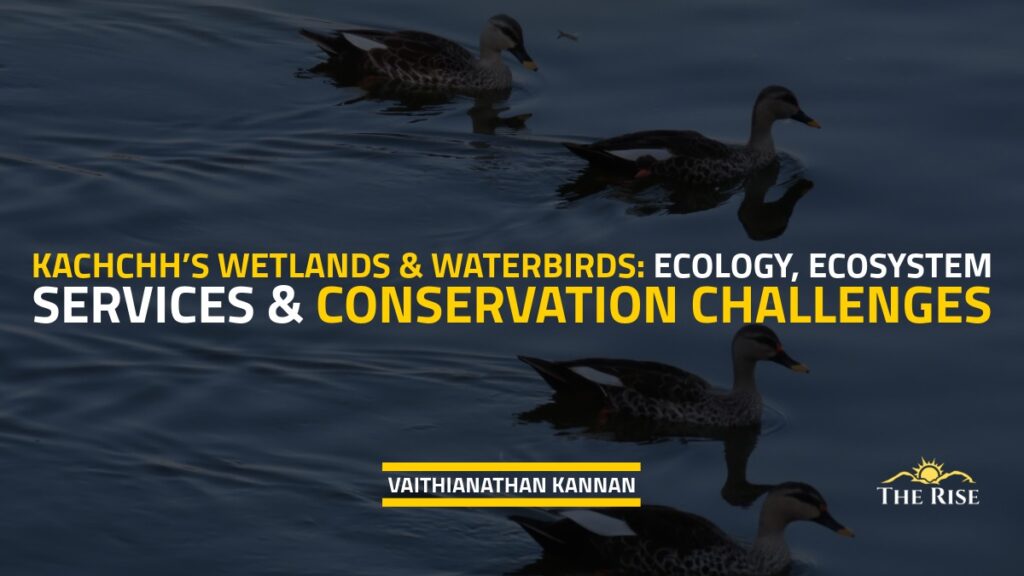
Kachchh’s Wetlands & Waterbirds: Ecology, Ecosystem Services & Conservation Challenges

Major threats to migratory waterbirds in the region are loss and degradation of wetlands, exposure to pollutants and pesticides, invasive species, hunting and disease. With the rapid rate of development in the South Asian region over the last decades, wetlands are under increasing threat from a wide range of large- and small-scale changes in landscapes, […]

Kachchh’s Wetlands & Waterbirds: Ecology, Ecosystem Services & Conservation Challenges Read More »

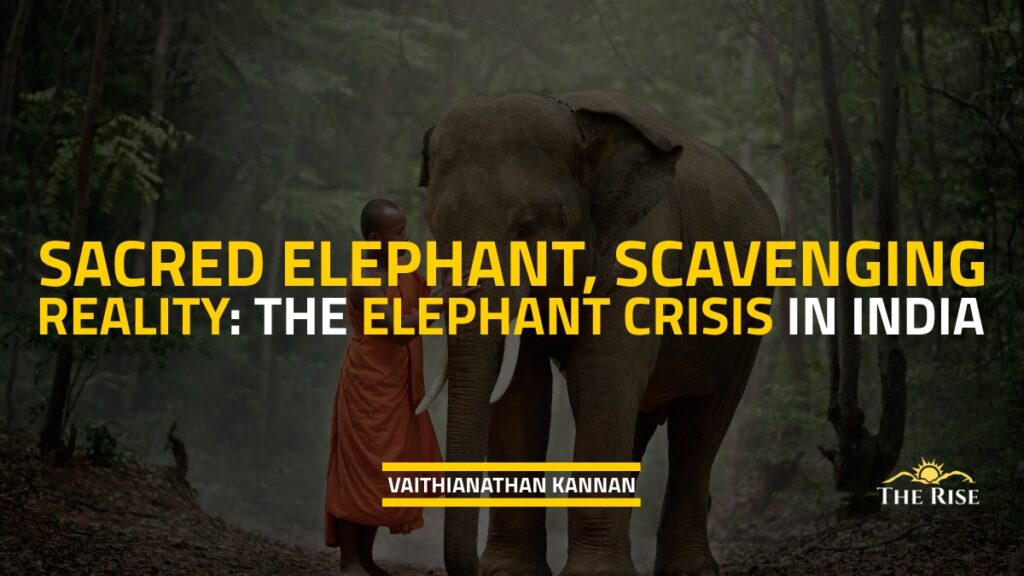
Sacred Elephant, Scavenging Reality: The Elephant Crisis in India

The elephants of India have consistently been intertwined with our spiritual heritage. Yet in the transformed terrains of the Western Ghats, their sacred likeness has faded into a symbolic form, a deity reduced to a scavenger. From broken corridors to unauthorised dumping sites near forests, elephants are more frequently observed consuming food scraps, plastics, and

Sacred Elephant, Scavenging Reality: The Elephant Crisis in India Read More »

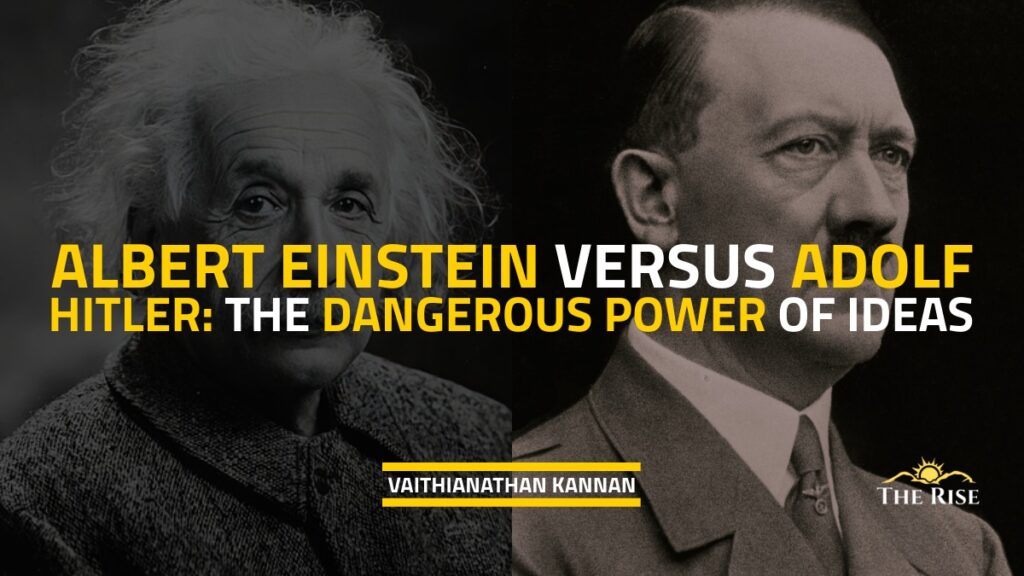
Albert Einstein versus Adolf Hitler: The Dangerous Power of Ideas

Hitler and Einstein represented two extremities of human potential. Hitler embodied the danger of hatred, ideology, and misuse of power. Einstein – the danger of knowledge, brilliance, and unintended consequences. Adolf Hitler’s evil was deliberate, yet bound in time. Einstein’s brilliance was innocent, yet boundless in consequence. The question sounds too shocking for the reader:

Albert Einstein versus Adolf Hitler: The Dangerous Power of Ideas Read More »

Mudumalai Tiger MDT-23 Periphery

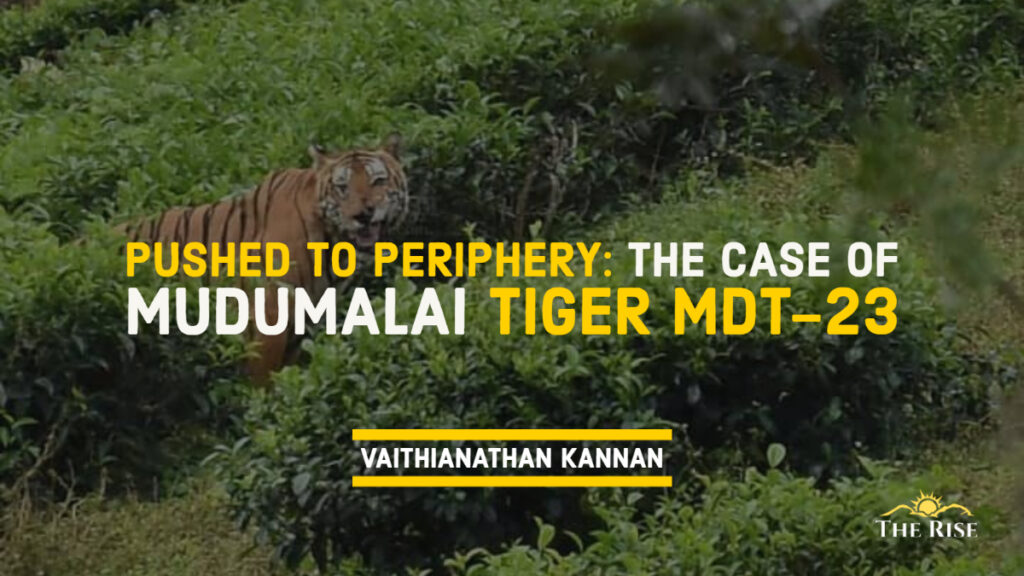
Pushed to Periphery: The Case of Mudumalai Tiger MDT-23

Biodiversity or wildlife-related conflicts are often described as situations where wildlife comes into conflict with humans over common resources. However, in many situations, particularly in those where conservation organizations are active, conflicts take the form of disputes between different stakeholder groups over wildlife management goals or priorities, and it is increasingly being acknowledged. Recent research shows that the development of conservation management schemes is affected by a multifaceted range of criteria and this has implications for the design of such schemes, and the way in which their aims are communicated to those affected and executed. There is now a growing awareness amongst conservation biologists that sociological and psychological approaches are often required to achieve a realistic understanding of such issues. Local communities are carrying a very heavy burden of conservation, while elites have the pleasure of enjoying the wilderness and wildlife, resulting in the cost-benefit ratio of conservation being strongly skewed in favour of tourism companies, national governments, and the international conservation community. Compensation and enhanced assistance to the locals should be regarded as a payment for ecosystem service they were generationally safeguarding and contributing towards its sustenance.

Pushed to Periphery: The Case of Mudumalai Tiger MDT-23 Read More »

Fishing in Troubled Waters

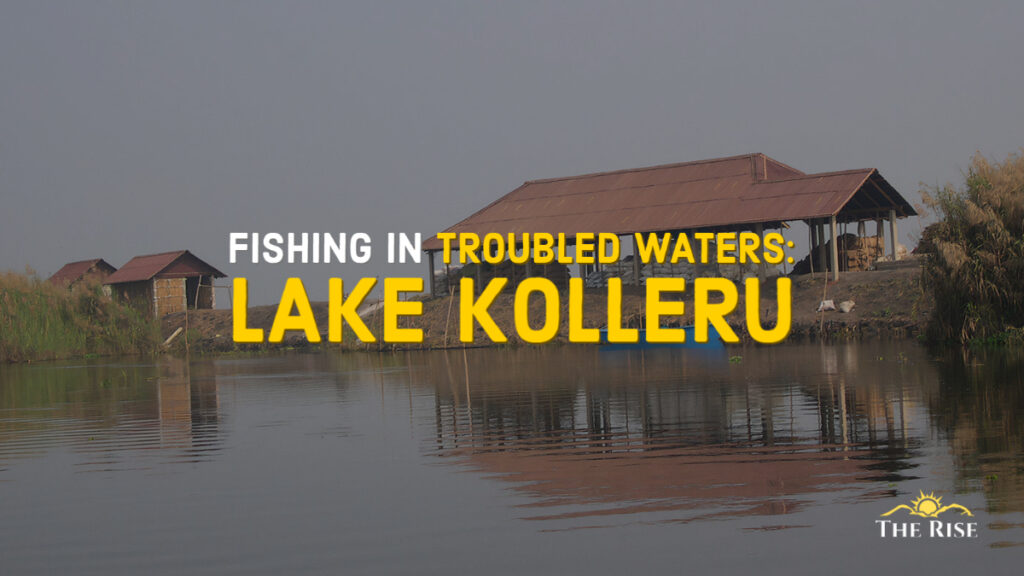
Fishing in Troubled Waters: Lake Kolleru

“To keep every cog and wheel is the first precaution of intelligent thinking”, said Aldo Leopold. Lake Kolleru is showing signs of poor water quality and habitat deterioration. There is an urgent need to ascertain the levels of habitat destruction, over-exploitation, and encroachments in the once peerless fishermen’s paradise and birds’ heaven.

Fishing in Troubled Waters: Lake Kolleru Read More »

wildlife biologists forests management

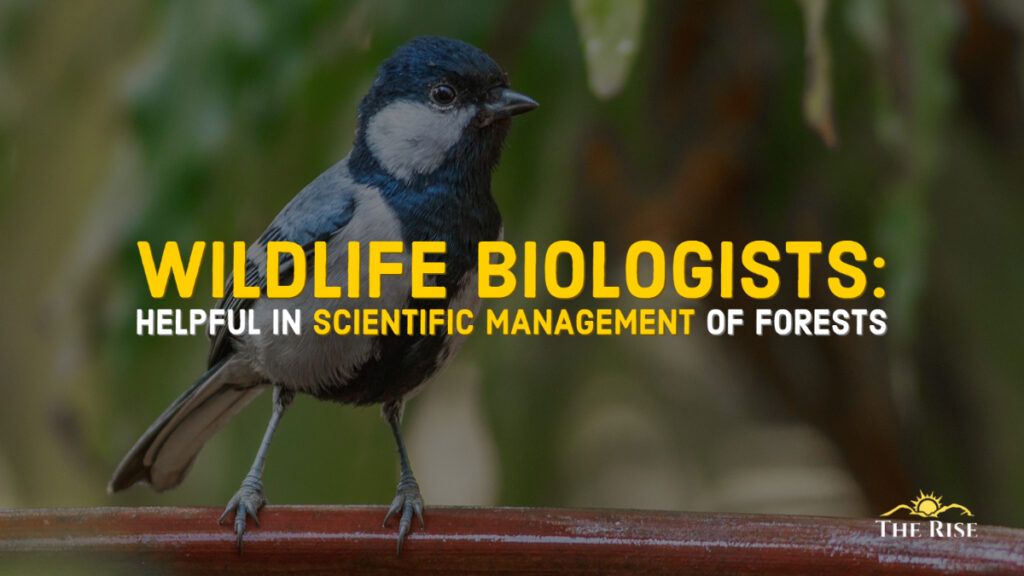
Wildlife Biologists: A Case for Inducting Them for Scientific Management of Forests

Wildlife biologists can save India’s ecology by bringing in scientific know-how to assist the administration in the scientific management of forests. The wildlife biologists can be absorbed by the Forest Departments as biologists, endangered species specialists, and conservation education officers. Inducting new services will not interfere with the power and administration of our current forest management system.
The Union and State Governments should build confidence on this matter in view of the changing roles in present-day science.

Wildlife Biologists: A Case for Inducting Them for Scientific Management of Forests Read More »

Scroll to Top