


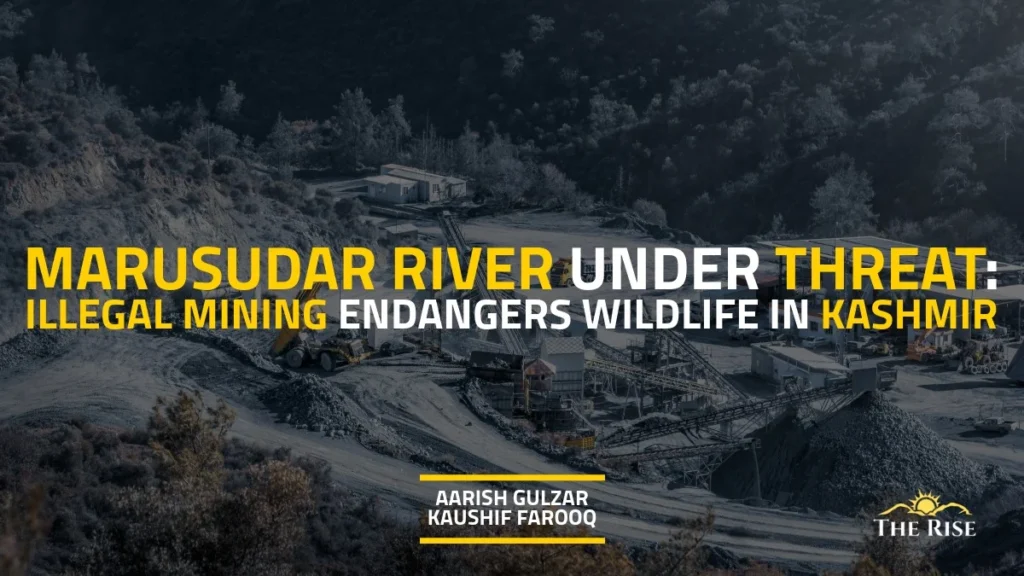
The Ibisbill, Eurasian Otter and Brown Trout continue to face growing threats as unregulated extraction threatens the ecological integrity of one of Marwah’s important river ecosystems.
The Marusudar River is the largest tributary of River Chenab flowing through the picturesque Marwah region of Kishtwar district in Jammu and Kashmir, and is an important freshwater ecosystem supporting a variety of aquatic and riparian biodiversity. It’s clear-flowing waters, rocky riverbeds, natural pebble deposits and associated habitats provide suitable ecological conditions for several wildlife species and also provides home to some of the migratory bird species arriving in winter. However, increasing pressure from illegal sand and Gravel extraction is emerging as a serious threat to the ecological health of this river system.

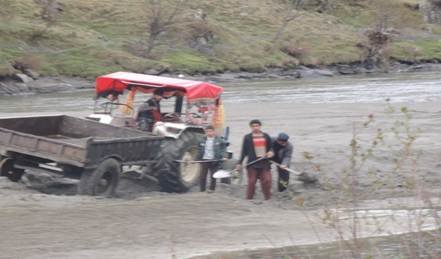
Among the species of particular conservation concern are the Ibisbill (Ibidorhyncha struthersii), Eurasian Otter (Lutra lutra) and Brown Trout (Salmo trutta). These three species depend, in different ways, on the natural structure and ecological functioning of river ecosystems. Continued and unregulated extraction of sand and gravel from the Marusudar River has resulted in significant habitat degradation, potentially threatening their long-term survival and increasing the risk of local extinction.
Mining Activities and the Destruction of River Habitats
Uncontrolled Sand and Gravel extraction substantially alters the natural characteristics of river ecosystems. The removal of naturally deposited sediments, gravel and stones disturbs the riverbed, changes water-flow patterns and affects the physical stability of river channels. Such activities also increase water turbidity, disturb aquatic organisms and contribute to riverbank erosion.

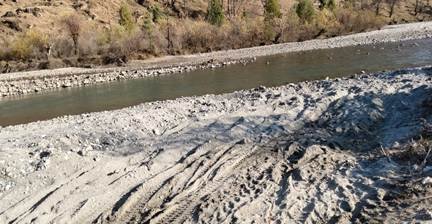
In the Marusudar River, the ecological consequences of illegal extraction are particularly concerning because several wildlife species depend on the natural composition of the riverbed and surrounding habitats. The operation of heavy machinery, and movement of vehicles through river channels constantly disturbs the riverbanks, further affecting feeding, breeding and sheltering habitats.
These disturbances are not restricted to a single species; rather, they can affect the entire river ecosystem, including aquatic insects, fish populations, birds and semi-aquatic mammals.

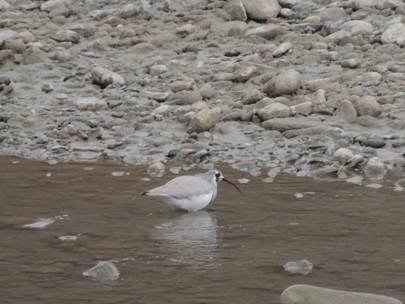
The Ibisbill (Ibidorhyncha struthersii) is a unique and specialised bird associated with high-altitude rivers and streams of the Himalayan region. Recognisable by its long, downward-curved bill and distinctive appearance, the species is adapted to feeding among stones and pebbles in shallow river channels, where it searches for aquatic invertebrates.
The natural pebble beds and exposed gravel bars of the Marusudar River provide important habitat features for this species. Illegal pebble mining, thus, directly threatens these habitats by removing the stones and gravel that form its feeding grounds. Extraction activities further disturbs potential nesting sites and disrupts the natural structure of the riverbed.
As suitable habitats become degraded or disturbed, the availability of feeding and nesting areas may decline, potentially affecting the local persistence of the species.
Also Read: Manasbal Lake: Preserving Kashmir’s Deepest Freshwater Gem
The story doesn’t stop on Ibisbll. The Eurasian Otter (Lutra lutra) is an important semi-aquatic mammal that depends on healthy freshwater ecosystems. Its survival is closely linked to clean water, sufficient fish populations, suitable riverbank vegetation and natural structures that provide resting, hiding and breeding places.
The Marusudar River provides an important aquatic environment for this species. However, illegal sand and pebble mining can threaten its habitat by disturbing riverbanks, removing natural shelters and altering aquatic conditions. Further, increased turbidity and degradation of aquatic habitats also affects fish populations and other organisms that form part of the otter’s food supply.
Also Read: Otters of India: Guardians of Rivers Under Threat
Continuous human disturbance, including the movement of heavy machinery and extraction vehicles, may further discourage otters from using traditionally occupied river stretches. If these pressures continue, the availability of suitable habitats and food resources could decline, increasing the vulnerability of local populations.
Brown Trout: Threats to an Important Cold-Water Fish
The Brown Trout (Salmo trutta) is an important cold-water fish species associated with clean, well-oxygenated mountain streams and rivers. Its survival depends on suitable water temperatures, stable river substrates, adequate dissolved oxygen and healthy aquatic food resources. The Marusudar River provides the type of mountain river habitat associated with brown trout.
However, illegal sand and gravel extraction can seriously affect the ecological conditions required by this species. One of the major concerns is the destruction and disturbance of natural gravel substrates used for spawning. The removal of sand and gravel reduces the suitable spawning habitat, while excessive sediment disturbance increases fine sediment deposition. This can reduce water circulation through spawning gravels and negatively affect the survival of eggs and developing embryos. Furthermore, changes in water flow, increased turbidity and disturbance of aquatic food organisms can affect the feeding and reproductive success of brown trout.
Three Species, One Common Threat
Although the Ibisbill, Eurasian Otter and Brown Trout occupy different ecological niches, all three depend on the ecological integrity of the Marusudar River.
The Ibisbill requires natural pebble beds and gravel bars for feeding and nesting. The Eurasian Otter depends on healthy aquatic food webs and suitable riverbank habitats, while the Brown Trout requires clean, cold and well-oxygenated water with stable gravel substrates.
Illegal sand and gravel extraction disrupts these interconnected ecological requirements. The removal of natural riverbed materials does not simply change the physical appearance of the river; it also disturbs the ecological processes that sustain aquatic and riparian biodiversity.
If these activities continue without effective regulation and monitoring, the cumulative impacts could result in the degradation of critical habitats and an increased risk of local extinction for these species in the Marusudar River.
An Urgent Need for Conservation and Sustainable River Management
The situation calls for immediate attention from the concerned government departments, environmental authorities, wildlife conservation agencies and local communities. Protecting the Marusudar River requires a coordinated approach that prioritises ecological conservation alongside responsible management of natural resources.
The following measures are particularly important:
- Strict action against illegal mining: Strengthen monitoring and enforcement to prevent unauthorised extraction of sand and pebbles from ecologically sensitive river stretches.
- Identification of critical wildlife habitats: Conduct scientific surveys to identify important feeding, breeding and sheltering areas of the Ibisbill, Eurasian Otter and Brown Trout.
- Regular biodiversity monitoring: Undertake systematic population assessments and habitat monitoring to understand the status and distribution of these species.
- Protection of natural riverbeds: Prevent excessive extraction of pebbles and gravel, particularly from habitats important for aquatic and riparian biodiversity.
- Assessment of environmental impacts: Evaluate the ecological consequences of mining activities before permitting any extraction within the river system.
- Community participation: Involve local communities, environmental organisations and conservation groups in protecting the river and reporting illegal extraction activities.
- Restoration of degraded habitats: Undertake suitable riverbank and habitat restoration measures wherever mining activities have caused ecological damage.
Saving the Marusudar River Means Saving Its Biodiversity
The Marusudar River is more than a source of water and construction material it is a natural ecosystem that sustains a variety of wildlife and contributes to the ecological richness of the Marwah region.
The growing threat of illegal sand and gravel extraction raises serious concerns about the future of the Ibisbill, Eurasian Otter and Brown Trout. The potential local disappearance of these species would represent a significant loss of biodiversity and an indication of the deteriorating health of the river ecosystem.
Also Read: Chemical Ecology in the Anthropocene: The Silent Collapse of Nature’s Language
There is an urgent need to recognise that the economic value of sand and pebbles cannot outweigh the ecological importance of a living river. Effective enforcement, scientific monitoring, habitat protection and active community participation are essential to safeguard the Marusudar River.
If we fail to protect the natural riverbed today, we may lose not only its stones and pebbles but also the wildlife that depends on them for survival. Saving the Marusudar River is therefore not merely an environmental responsibility; it is a commitment to preserving the natural heritage of Marwah for future generations.
Disclaimer: The views expressed in this article are those of the author solely. TheRise.co.in neither endorses nor is responsible for them. Reproducing this content without permission is prohibited.